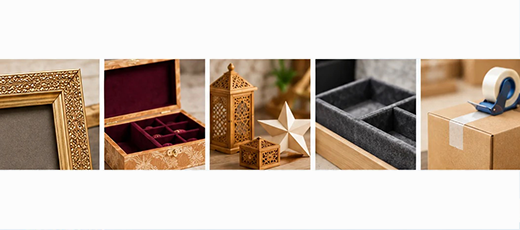
Application-focused tapes for cleaner assembly, thoughtful finishing and dependable packaging.

Choose the task. Find a relevant tape.
Evaluate it on your actual materials.


Keep adhesive within the intended bond area.
Improve positioning before the joint is secured.
Review placement, coverage and corner finishing.
Match the adhesive to the surface and conditions.
Control masking, coating and removal.
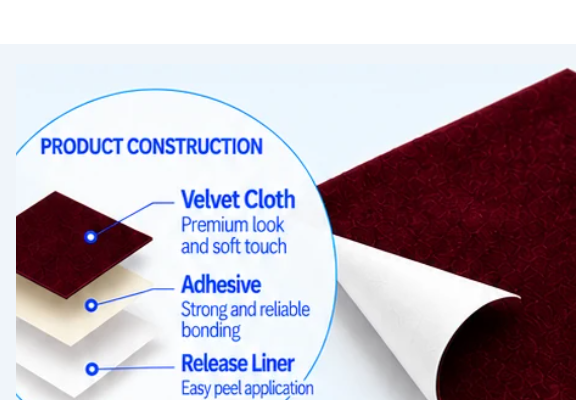
Bring the same care to the inside of the box.
Explore velvet fabric and self-adhesive velvet for jewellery boxes, presentation inserts and decorative lining. The self-adhesive option brings the adhesive to the underside of the fabric, ready for placement.

Remove the release liner from the underside.
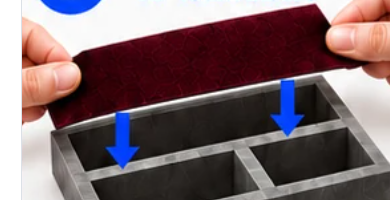
Align the velvet on the compatible insert.
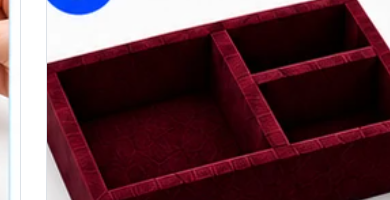
Apply even pressure and check the finish.
Explore uses, selection points and trial guidance.
Request grade-specific dimensions from our team.
Controlled adhesive placement for neat assembly.

For fabric, paper and decorative layers on compatible backing materials.
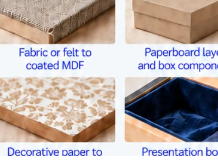
Paperboard assemblies, presentation boxes, fabric or felt to suitable coated MDF.
Surface finish, porosity, panel size and the adhesive coverage required.
Compare alignment, edge finish and handling with your current method.

Thin bonding options for decorative trims and smooth-surface assemblies.
Trims, layered components and suitable paper or synthetic assemblies.
PET XC/LX and PET with red liner options. Choose by adhesive performance and substrate, not liner colour alone.
Check bond-line visibility, adhesion and flexibility on the finished surface.
Match the construction to the surface, load and joint.
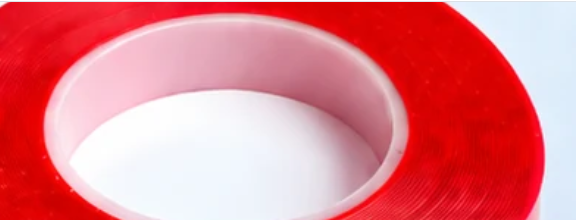
Concealed bonding for selected decorative mounting applications.
Compatible panels, trims and lightweight display components.
Surface compatibility, load direction, bond area, temperature and required appearance.
Evaluate on the final assembly. Mirrors, overhead parts and safety-critical uses need specific technical assessment.

Single- and double-sided options for cushioning, spacing and suitable bonding.
Protective bases, custom pads and selected component assemblies.
Thickness, compression, contact area and single- or double-sided adhesive format.
Check cushioning, fit and adhesion under expected handling conditions.

Transparent fixing for selected decorative articles on compatible surfaces.
Lightweight displays and suitable decorative mounting jobs.
Article weight, contact area, surface coating and removal requirements.
Test holding and removal on the actual finish before choosing a mounting method.
Give the interior and underside the same care as the exterior.
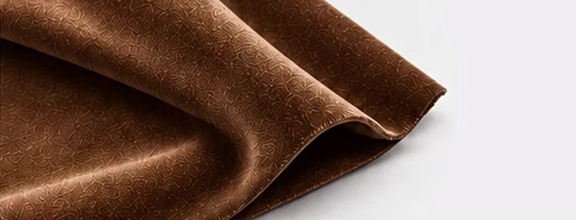
Soft decorative lining for presentation products, available as fabric and self-adhesive options.
Jewellery boxes, gift inserts, trays, drawers and suitable protective bases.
Shade, texture, substrate, cut shape and adhesive format. The release liner sits beneath the velvet.
Evaluate appearance, alignment, corner finish and adhesion on the actual insert.

Pre-applied adhesive backing for selected article bases and lining applications.
Collapsible boxes, decorative article bases and gift packaging.
Beige, white and black options; confirm the grade, surface and required dimensions.
Check coverage, edge adhesion and the finished appearance of the base.
Define the edge. Protect the detail.
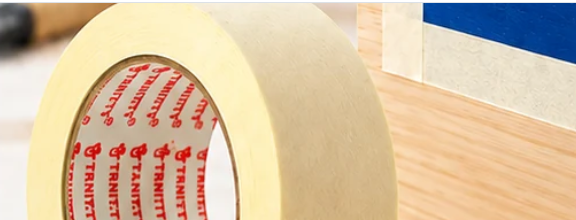
Temporary masking for painting, colour separation and selected finishing processes.
Wooden handicrafts, coated articles and suitable edge protection.
Paint system, surface finish, temperature, dwell time and removal timing.
Test for paint bleed and removal behaviour on the actual surface.
Choose the closure around the carton and its journey.
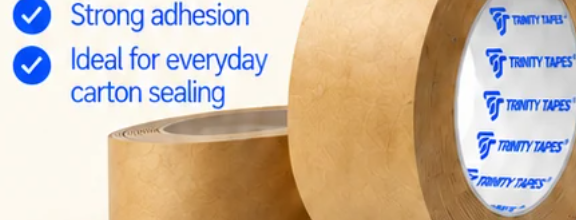
Paper-based sealing options for suitable everyday carton closures.
Finished-goods cartons and presentation-focused dispatch packaging.
Board quality, packed weight, storage, transit and dispensing method.
Compare closure consistency, tape use and packing time.
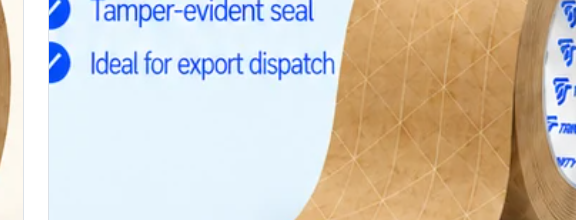
Reinforced paper construction with water-activated adhesive for suitable cartons.
Carton sealing where the board, closure and dispensing process are compatible.
Carton weight, board surface, water activation and dispenser requirements.
Evaluate sealing and handling under actual packing and transit conditions.
Environmental attributes depend on the selected construction and end-use system. Request supporting documentation for the grade you are evaluating. Explore the Packaging section ↗
Keep the trial focused on your materials,
your process and the finish you need.
Tell us the material pair, surface finish, current method and the result you want to improve.
Review adhesive type, coverage, dimensions and the application method with our team.
Compare assembly time, alignment, appearance and bond performance before regular use.
Keep the product overview at hand or explore the illustrated application guide.